


handvan007
Member
In recent years, peptide research has attracted growing attention for its potential applications in laboratory studies involving cellular processes, tissue biology, and biological signaling. Among the compounds frequently discussed in research communities are BPC-157 and TB-500. Searches for BPC-157 TB-500 20mg Vietnam have also become more common as researchers look for information about peptide specifications, quality documentation, and responsible sourcing.
Understanding the characteristics of these compounds is an important first step before evaluating any research material. Rather than relying solely on product descriptions, researchers should consider scientific documentation, analytical testing, and transparent supplier information.
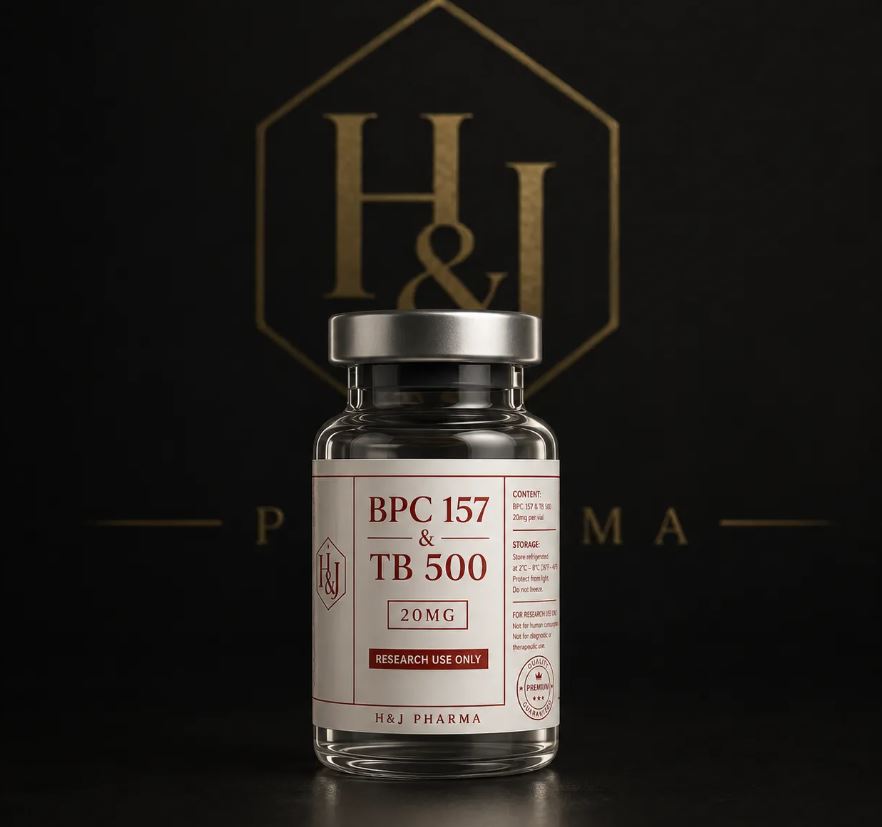
TB-500 is commonly associated with research involving thymosin beta-4, a naturally occurring peptide involved in several cellular processes. Scientific interest in this area includes cell migration, actin regulation, and tissue-related biological mechanisms. It is important to distinguish research materials marketed as TB-500 from the naturally occurring thymosin beta-4 molecule, as product identity and composition should always be verified through appropriate analytical documentation.
When these compounds appear together in BPC-157 TB-500 research peptide discussions, researchers should assess each substance independently. Similar research interests do not mean that the compounds have interchangeable properties or established combined effects.
For responsible research evaluation, several factors deserve attention:
A Certificate of Analysis (COA) can provide useful information about a particular batch. However, researchers should check whether the document identifies the tested product, batch number, analytical methods, testing date, and issuing laboratory. A purity figure alone is not enough to establish overall quality.
Claims such as 98% or higher purity should therefore be supported by a verifiable COA. Independent testing and transparent documentation offer stronger grounds for evaluation than marketing statements alone.
Researchers should distinguish between experimental findings, theoretical mechanisms, and clinically demonstrated outcomes. Neither compound has established approval as a weight-loss treatment. Products marketed for research purposes should not be promoted as medicines or substitutes for professional medical care.
A responsible research approach prioritizes scientific evidence, accurate product identification, and compliance with applicable regulations.
Reliable documentation, transparent quality information, and a clear understanding of research limitations are essential when evaluating peptide-related products. A careful, evidence-based approach helps researchers make informed decisions while avoiding unsupported claims about safety or effectiveness.
Read More: https://vietnam-peptides.com/shop/f...h-peptide-stack-for-recovery-vietnam-peptides
Understanding the characteristics of these compounds is an important first step before evaluating any research material. Rather than relying solely on product descriptions, researchers should consider scientific documentation, analytical testing, and transparent supplier information.
Understanding BPC-157 and TB-500
BPC-157 is a synthetic peptide derived from a sequence associated with a protective protein found in gastric juice. It has been investigated in preclinical research, particularly in studies exploring cellular responses, tissue biology, and biological repair mechanisms. However, much of the available evidence remains based on laboratory and animal studies. Its safety and effectiveness in humans have not been established through sufficient clinical evidence.TB-500 is commonly associated with research involving thymosin beta-4, a naturally occurring peptide involved in several cellular processes. Scientific interest in this area includes cell migration, actin regulation, and tissue-related biological mechanisms. It is important to distinguish research materials marketed as TB-500 from the naturally occurring thymosin beta-4 molecule, as product identity and composition should always be verified through appropriate analytical documentation.
When these compounds appear together in BPC-157 TB-500 research peptide discussions, researchers should assess each substance independently. Similar research interests do not mean that the compounds have interchangeable properties or established combined effects.
Why BPC-157 TB-500 20mg Vietnam Attracts Research Interest
The keyword BPC-157 TB-500 20mg Vietnam reflects interest in peptide research materials and their specifications within the Vietnamese market. A 20mg label generally describes the stated quantity of material, but it does not independently confirm identity, purity, concentration, or suitability for a particular laboratory study.For responsible research evaluation, several factors deserve attention:
- Product identity: Documentation should clearly identify the compound and its stated composition.
- Purity analysis: Analytical results should indicate the testing method and measured purity.
- Batch consistency: Different production batches should have traceable quality records.
- Storage information: Relevant handling and storage requirements should be documented.
- Research limitations: Findings from preclinical studies should not be presented as proven human benefits.
How to Evaluate Peptide Research Quality
Quality assurance is especially important in peptide research because the reliability of experimental results depends partly on the identity and characteristics of the tested material.A Certificate of Analysis (COA) can provide useful information about a particular batch. However, researchers should check whether the document identifies the tested product, batch number, analytical methods, testing date, and issuing laboratory. A purity figure alone is not enough to establish overall quality.
Claims such as 98% or higher purity should therefore be supported by a verifiable COA. Independent testing and transparent documentation offer stronger grounds for evaluation than marketing statements alone.
What to Consider When Exploring Fat Loss Peptides Vietnam
Interest in fat loss peptides Vietnam is often connected to broader discussions about metabolism, body composition, and emerging peptide research. Nevertheless, BPC-157 and TB-500 should not automatically be classified as proven fat-loss compounds.Researchers should distinguish between experimental findings, theoretical mechanisms, and clinically demonstrated outcomes. Neither compound has established approval as a weight-loss treatment. Products marketed for research purposes should not be promoted as medicines or substitutes for professional medical care.
A responsible research approach prioritizes scientific evidence, accurate product identification, and compliance with applicable regulations.
Why Choose a Peptide Research Supplier?
When evaluating a supplier, researchers may consider several service and documentation factors:- Trusted by the Expat Community: A supplier's reputation among international customers can provide an initial reference point, although independent verification remains important.
- 98%+ Purity with Verified COA: Batch-specific Certificates of Analysis help support transparency around stated purity and product characteristics.
- Expert Peptide Consultation: A knowledgeable support team can clarify documentation, product specifications, and research-related questions.
- Fast & Secure Delivery: Appropriate packaging and clear shipping information help protect product integrity during transportation.
- Flexible Product Options – Vials & Pens: Different packaging formats may be presented for product-handling and research-format considerations. Their specifications and suitability should be independently assessed.
Final Thoughts
Interest in BPC-157 TB-500 20mg Vietnam highlights the growing demand for accessible information about peptide research materials. Whether exploring BPC-157 TB-500 peptide Vietnam, reviewing a BPC-157 TB-500 research peptide, or researching the broader topic of fat loss peptides Vietnam, scientific accuracy should remain the priority.Reliable documentation, transparent quality information, and a clear understanding of research limitations are essential when evaluating peptide-related products. A careful, evidence-based approach helps researchers make informed decisions while avoiding unsupported claims about safety or effectiveness.
Read More: https://vietnam-peptides.com/shop/f...h-peptide-stack-for-recovery-vietnam-peptides