


saeeedoooo
New member
Elderly, patients, and individuals with disabilities in the Kingdom of Saudi Arabia are increasingly benefiting from highly advanced and specialized transportation services tailored to meet their unique needs. These services are not merely about moving people from one place to another — they are about restoring dignity, ensuring safety, and providing comfort throughout every stage of the journey. They have evolved into a crucial component of the country’s social care ecosystem and are now seen as a human right rather than an optional convenience.
To continue : أفضل سيارات مجهزة للمعاقين - سيارات طبية لنقل المرضى
One of the most notable developments in this area is the integration of smart technologies. Many transport service providers now utilize mobile applications that allow users or their families to book trips, track vehicles in real-time via GPS, and receive live notifications on arrival and departure times. Some apps even offer digital medical profiles, allowing drivers and assistants to be fully aware of the passenger’s condition, specific needs, and medical history before the ride even begins.
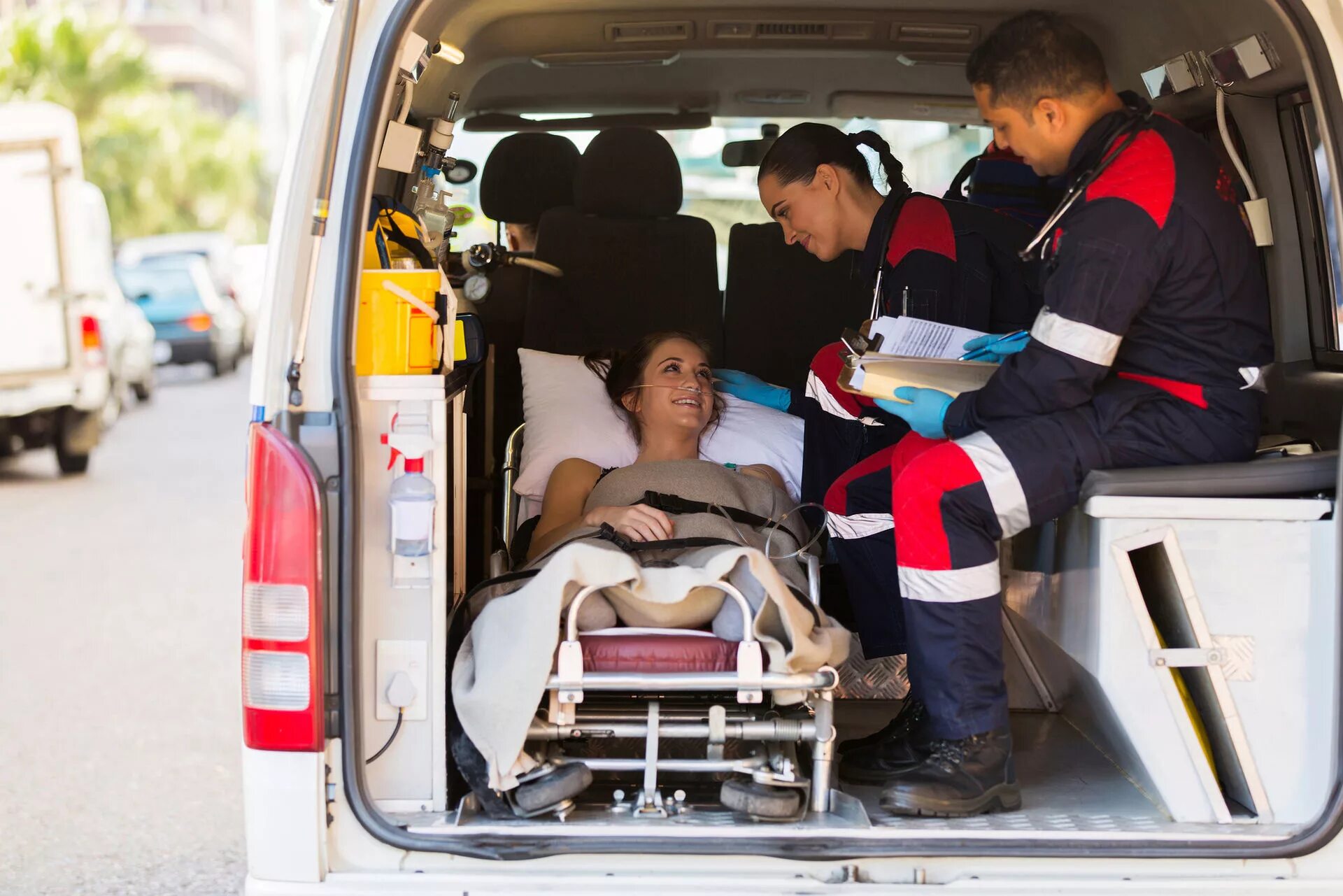
Additionally, different vehicles are allocated for different health conditions. For example, patients with spinal injuries, kidney failure (requiring dialysis), or post-surgery recovery can request specially equipped vans with adjustable beds, oxygen tanks, temperature control, and safety belts adapted to medical stretchers. These vehicles provide a hospital-like environment during the commute, reducing the risk of complications or discomfort.
Trained personnel accompany patients during these trips — not just drivers, but certified caregivers, nurses, or even paramedics for critical cases. These professionals are well-versed in first aid, emergency response, and psychological support. They treat each passenger with care and respect, creating a reassuring atmosphere throughout the trip.
Saudi Arabia’s Vision 2030 plays a significant role in empowering vulnerable groups through such services. Many of these transportation programs are either subsidized or fully funded by government agencies, charities, and nonprofit organizations. In lower-income communities, for example, free medical transport is available for elderly citizens or individuals with chronic diseases who require frequent hospital visits.
Insurance companies have also started covering non-emergency medical transportation (NEMT) under extended health plans. This is especially beneficial for patients undergoing regular treatments such as chemotherapy or physical therapy. With transport now included in healthcare planning, families feel less financial and emotional pressure.
The service also caters to psychological and social aspects of life. Some programs offer transportation for non-medical reasons — such as attending weddings, religious gatherings, or recreational outings. In major cities like Riyadh and Jeddah, initiatives such as “Trips with a Smile” provide elderly or disabled individuals the chance to visit public parks, cultural sites, or even shopping malls, accompanied by trained volunteers and caregivers.
In rural or remote areas, mobile transportation units equipped with basic medical tools serve as both ambulatory clinics and transport vehicles. These units visit villages where access to hospitals is limited, transferring patients safely while offering primary care during the ride. This innovative model helps close the gap in healthcare access across the country.
Infrastructure improvements have also been key. Many urban development projects now include special parking spaces, sidewalk ramps, and loading zones for vehicles carrying patients or people with disabilities. This ensures that every trip — whether to a hospital, mosque, or public event — can be completed without unnecessary barriers or discomfort.
Universities and colleges are also contributing to this development. Several have introduced training modules in their health and social sciences departments to prepare future professionals to deal with disabled or elderly patients during transport. This enhances professionalism and widens the pool of qualified service providers.
Furthermore, environmental sustainability is entering the field through the use of electric or hybrid vehicles. These “green transport” initiatives reflect the Kingdom’s broader commitment to eco-friendly policies while ensuring that medical transport remains accessible and efficient.
Privacy and gender sensitivity are also prioritized. Female passengers can request female caregivers or companions, and some companies offer tinted vehicles or privacy curtains. This approach respects local cultural values and enhances the comfort of users.
On the administrative side, quality control mechanisms are in place. Transportation companies are regularly assessed based on punctuality, hygiene, staff behavior, and client satisfaction. Those that perform well receive higher ratings and are more likely to receive government support or contracts.
In Mecca and Medina, the services take on a unique religious dimension, especially during Hajj and Umrah seasons. Special vehicles transport elderly and disabled pilgrims between holy sites, ensuring that everyone — regardless of health condition — can participate in these sacred rites with dignity and ease.
Ultimately, the transportation services offered to the elderly, the sick, and individuals with special needs in Saudi Arabia reflect a deeply rooted vision of inclusion, compassion, and progress. They are not simply logistical solutions, but holistic systems designed to support physical health, emotional well-being, social integration, and spiritual fulfillment. With continuous innovation and strong institutional backing, these services are set to become a global benchmark in inclusive care transportation.
To continue : أفضل سيارات مجهزة للمعاقين - سيارات طبية لنقل المرضى
One of the most notable developments in this area is the integration of smart technologies. Many transport service providers now utilize mobile applications that allow users or their families to book trips, track vehicles in real-time via GPS, and receive live notifications on arrival and departure times. Some apps even offer digital medical profiles, allowing drivers and assistants to be fully aware of the passenger’s condition, specific needs, and medical history before the ride even begins.
Additionally, different vehicles are allocated for different health conditions. For example, patients with spinal injuries, kidney failure (requiring dialysis), or post-surgery recovery can request specially equipped vans with adjustable beds, oxygen tanks, temperature control, and safety belts adapted to medical stretchers. These vehicles provide a hospital-like environment during the commute, reducing the risk of complications or discomfort.
Trained personnel accompany patients during these trips — not just drivers, but certified caregivers, nurses, or even paramedics for critical cases. These professionals are well-versed in first aid, emergency response, and psychological support. They treat each passenger with care and respect, creating a reassuring atmosphere throughout the trip.
Saudi Arabia’s Vision 2030 plays a significant role in empowering vulnerable groups through such services. Many of these transportation programs are either subsidized or fully funded by government agencies, charities, and nonprofit organizations. In lower-income communities, for example, free medical transport is available for elderly citizens or individuals with chronic diseases who require frequent hospital visits.
Insurance companies have also started covering non-emergency medical transportation (NEMT) under extended health plans. This is especially beneficial for patients undergoing regular treatments such as chemotherapy or physical therapy. With transport now included in healthcare planning, families feel less financial and emotional pressure.
The service also caters to psychological and social aspects of life. Some programs offer transportation for non-medical reasons — such as attending weddings, religious gatherings, or recreational outings. In major cities like Riyadh and Jeddah, initiatives such as “Trips with a Smile” provide elderly or disabled individuals the chance to visit public parks, cultural sites, or even shopping malls, accompanied by trained volunteers and caregivers.
In rural or remote areas, mobile transportation units equipped with basic medical tools serve as both ambulatory clinics and transport vehicles. These units visit villages where access to hospitals is limited, transferring patients safely while offering primary care during the ride. This innovative model helps close the gap in healthcare access across the country.
Infrastructure improvements have also been key. Many urban development projects now include special parking spaces, sidewalk ramps, and loading zones for vehicles carrying patients or people with disabilities. This ensures that every trip — whether to a hospital, mosque, or public event — can be completed without unnecessary barriers or discomfort.
Universities and colleges are also contributing to this development. Several have introduced training modules in their health and social sciences departments to prepare future professionals to deal with disabled or elderly patients during transport. This enhances professionalism and widens the pool of qualified service providers.
Furthermore, environmental sustainability is entering the field through the use of electric or hybrid vehicles. These “green transport” initiatives reflect the Kingdom’s broader commitment to eco-friendly policies while ensuring that medical transport remains accessible and efficient.
Privacy and gender sensitivity are also prioritized. Female passengers can request female caregivers or companions, and some companies offer tinted vehicles or privacy curtains. This approach respects local cultural values and enhances the comfort of users.
On the administrative side, quality control mechanisms are in place. Transportation companies are regularly assessed based on punctuality, hygiene, staff behavior, and client satisfaction. Those that perform well receive higher ratings and are more likely to receive government support or contracts.
In Mecca and Medina, the services take on a unique religious dimension, especially during Hajj and Umrah seasons. Special vehicles transport elderly and disabled pilgrims between holy sites, ensuring that everyone — regardless of health condition — can participate in these sacred rites with dignity and ease.
Ultimately, the transportation services offered to the elderly, the sick, and individuals with special needs in Saudi Arabia reflect a deeply rooted vision of inclusion, compassion, and progress. They are not simply logistical solutions, but holistic systems designed to support physical health, emotional well-being, social integration, and spiritual fulfillment. With continuous innovation and strong institutional backing, these services are set to become a global benchmark in inclusive care transportation.
